
How Newburgh Makes Your Drinking Water: Watch the Full Water Plant Tour
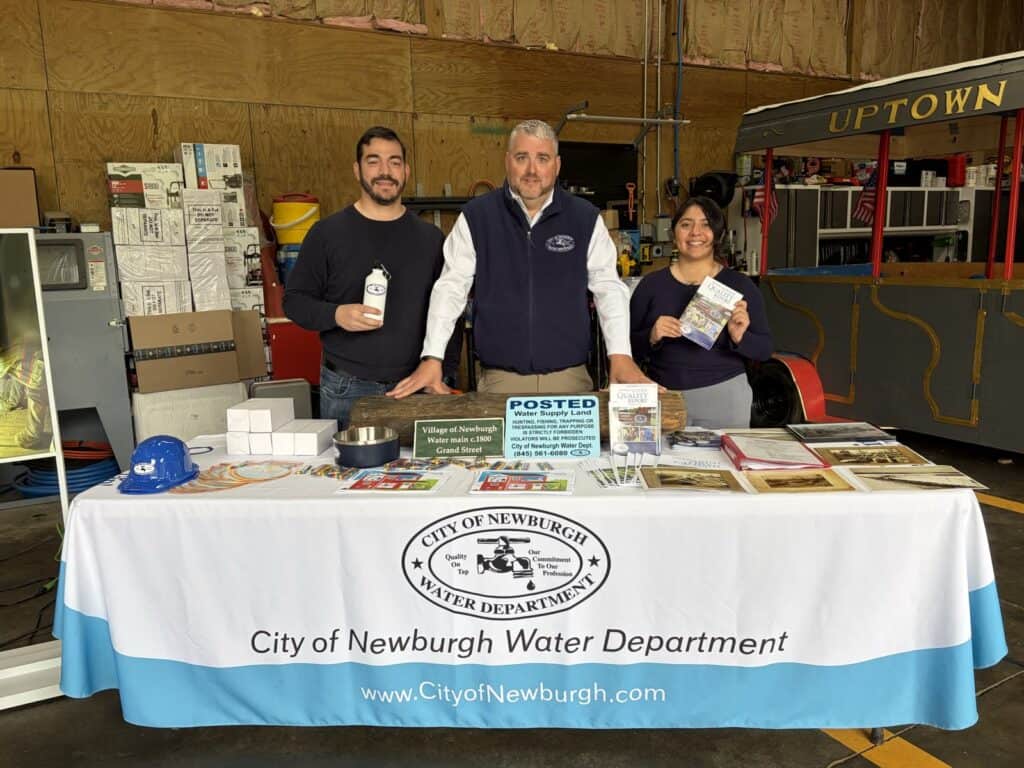
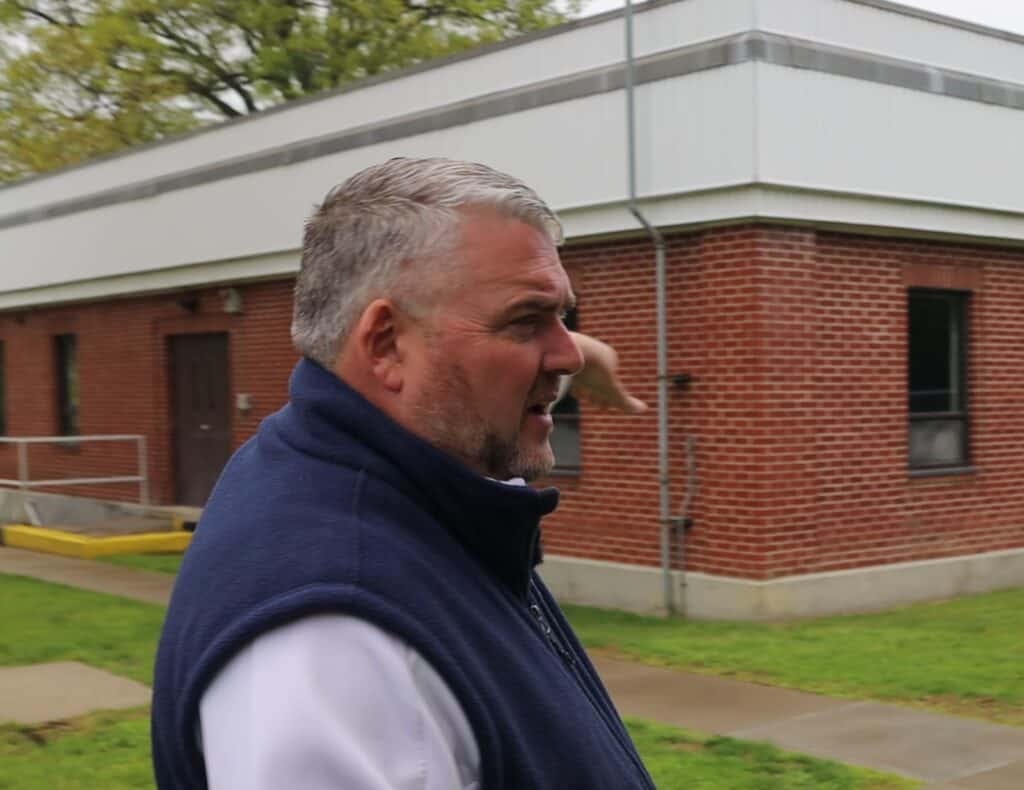
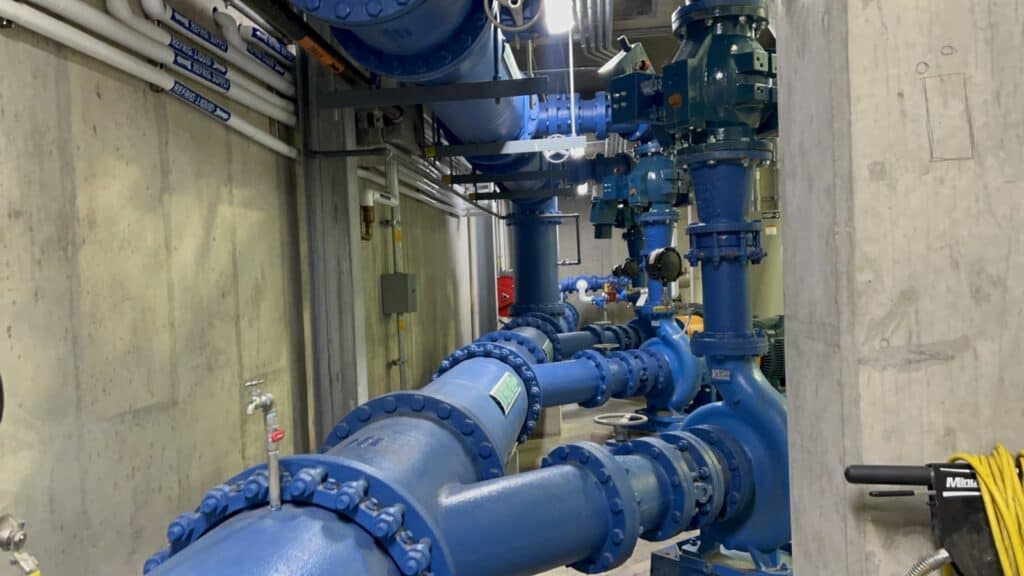
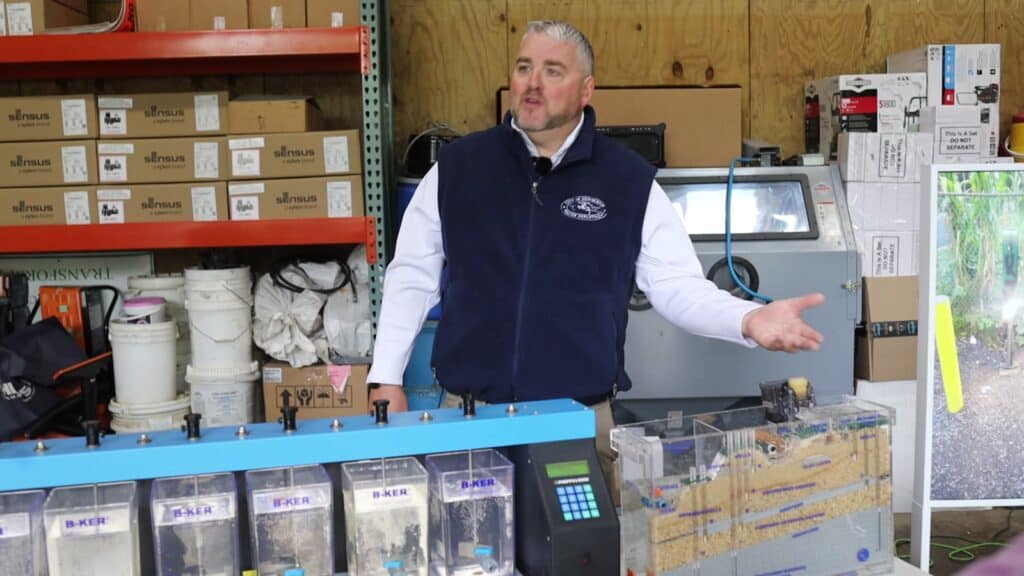
On May 9, Water Superintendent Wayne Vradenburgh led a public tour of the City of Newburgh’s water filtration plant during Drinking Water Week. We filmed the whole walk-through so people who could not be there can see where their water comes from and who takes care of it.
The full tour runs about 51 minutes and has captions in English, Spanish and Haitian Creole. Watch the full tour on YouTube.
Some of what you’ll see
These are Wayne’s numbers and explanations from the tour.
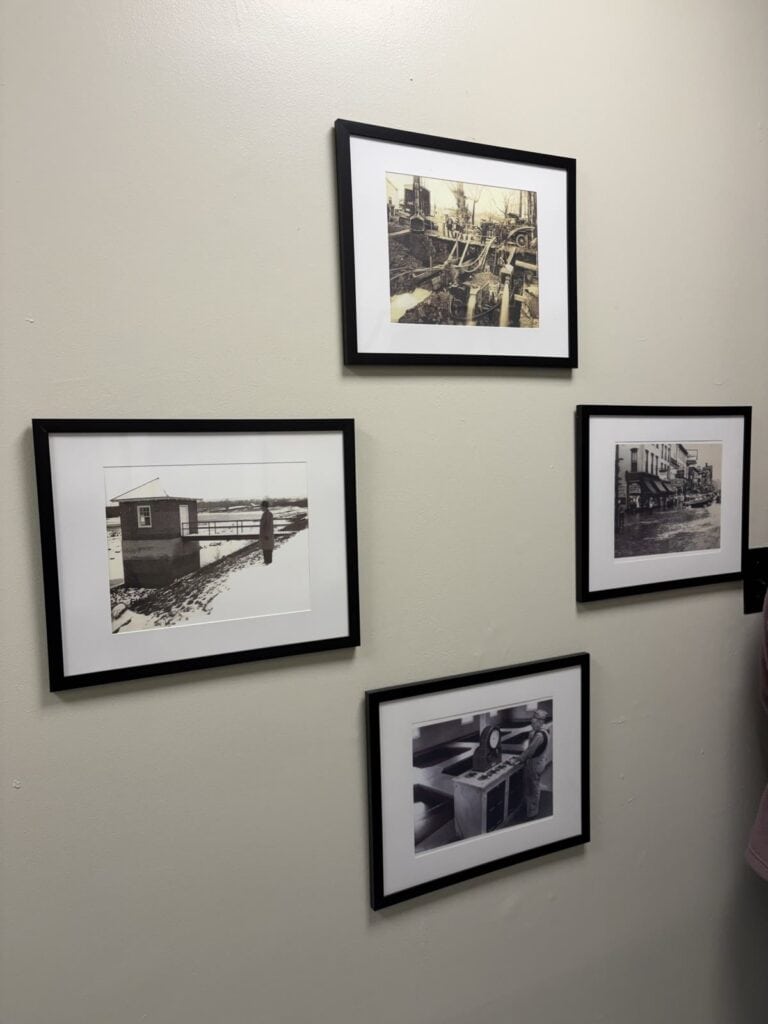
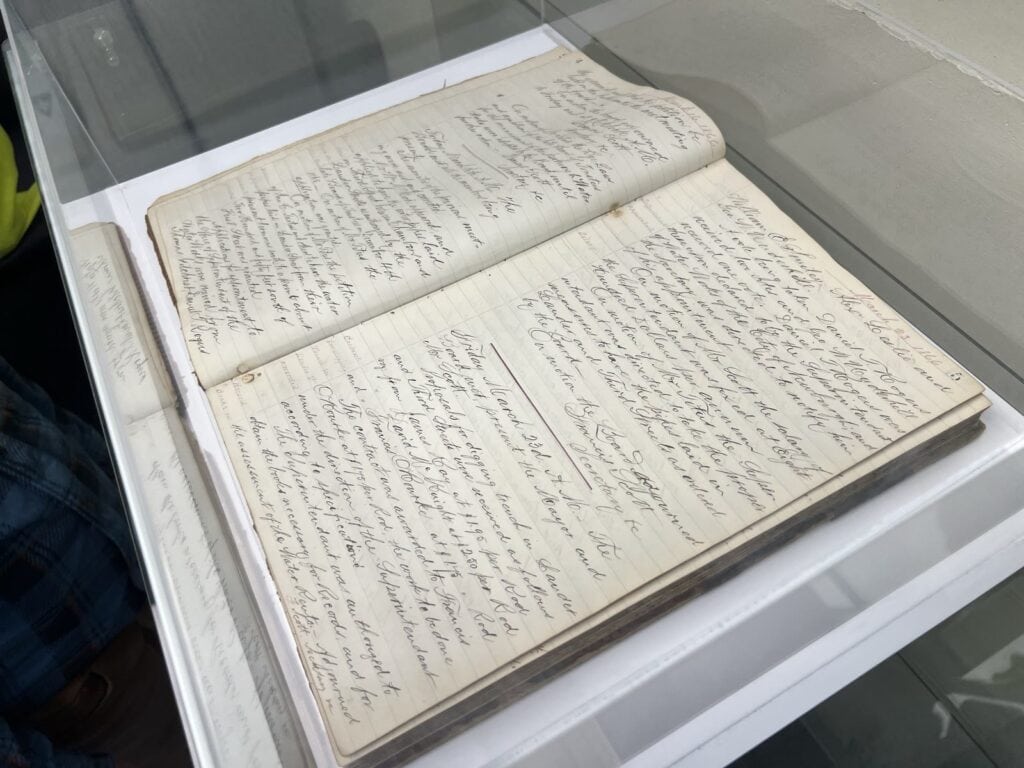
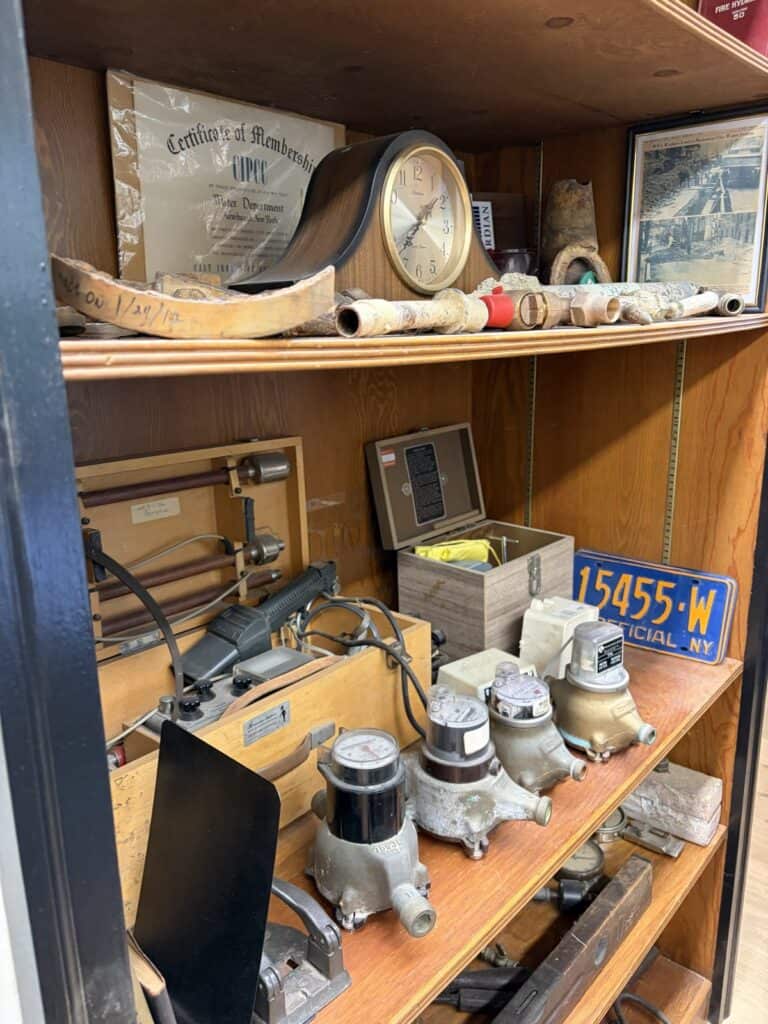
- The City of Newburgh Department of Water Works goes back to 1806. Before that, water was sold by the bucket.
- The system has 73 miles of pipe and 880 fire hydrants. Wayne said the plant was making about 3.2 million gallons a day at the time of the tour, and it is rated for 8.85 million.
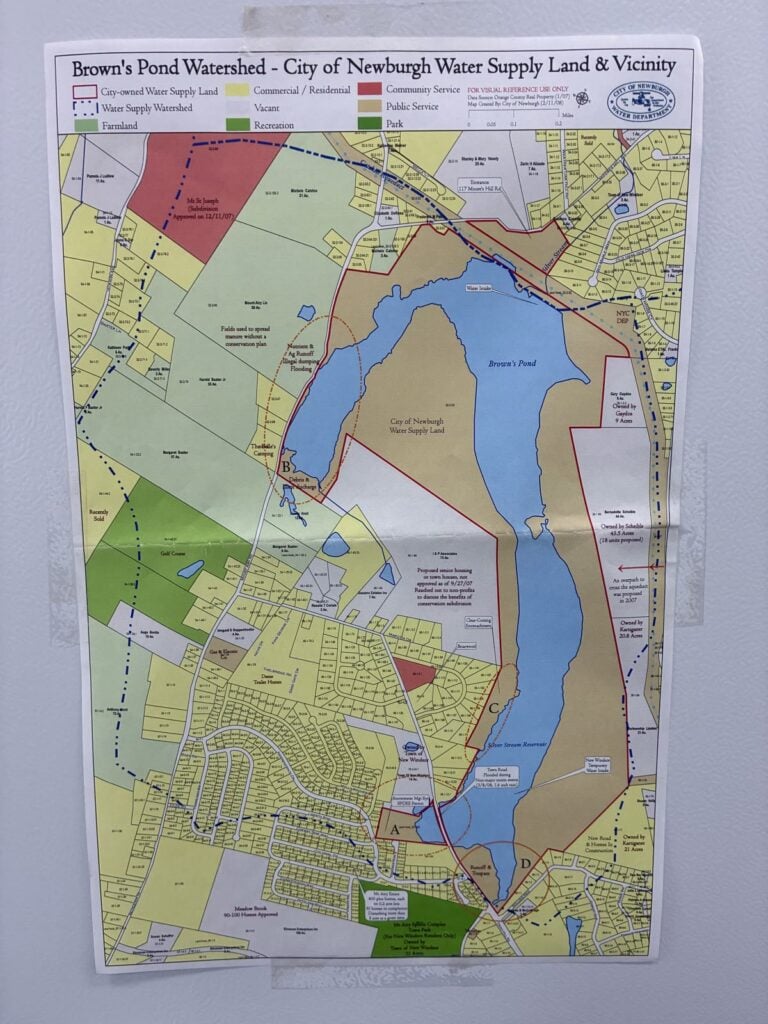
- Washington Lake has been off since 2016. The city uses the Catskill Aqueduct, with Browns Pond as a backup.
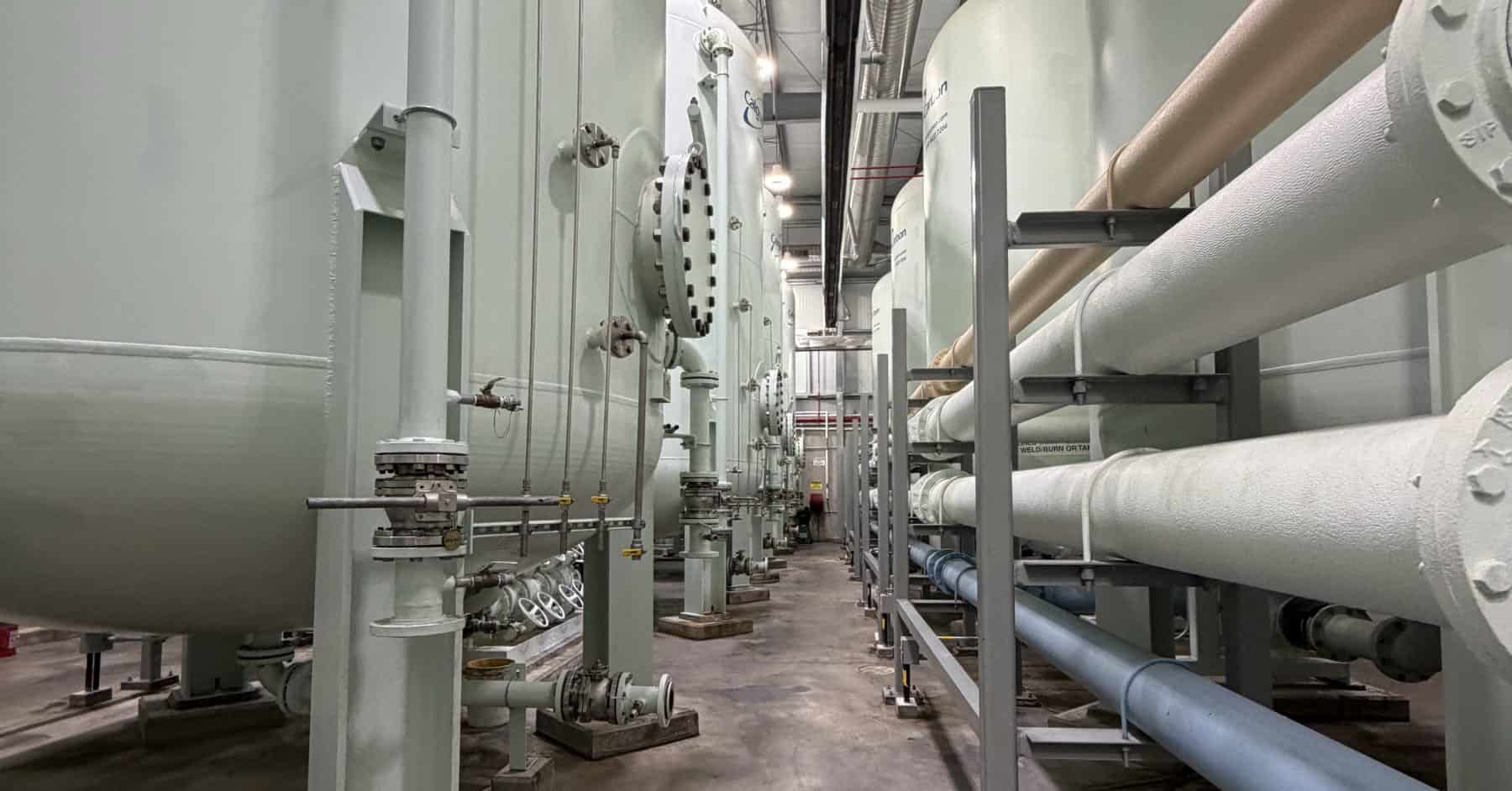
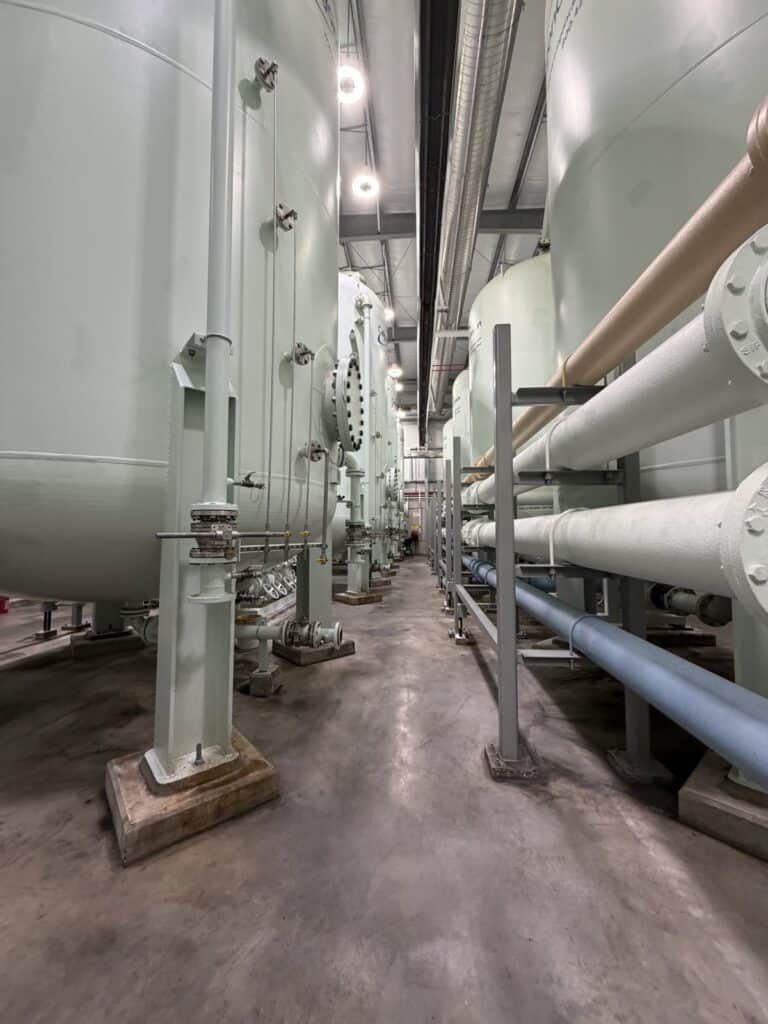
- The water goes through the full plant and then through the granular activated carbon plant, built in 2016 after the PFAS emergency. Wayne compared those 18 carbon vessels to the largest Brita filter you could think of.
- Customers own the service line from the main to the meter. The department is working through a citywide lead line inventory.
If you have questions about your water
Wayne’s message on the tour was simple: call. The department will come out and test your water. The Water Department office is 845-565-3356, and the plant is at 493 Little Britain Road. The department also runs tours for the public.
You can take the free self-guided Newburgh Water Tour too.
Thank you to Wayne Vradenburgh and the Water Department staff for sharing their work with us.
PFAS work in Newburgh is led by the Newburgh Clean Water Project, the Quassaick Creek Watershed Alliance and Riverkeeper.
This project is funded in part by the New York State Environmental Protection Fund, as administered by the New York State Department of Environmental Conservation, Office of Environmental Justice.
The opinions, results, findings, and/or interpretations of data contained herein are the responsibility of Outdoor Promise and do not necessarily represent the opinions, interpretations, or policy of the State of New York.
This post is also available in:
