
What 75 Newburgh Residents Told Researchers About Their Water
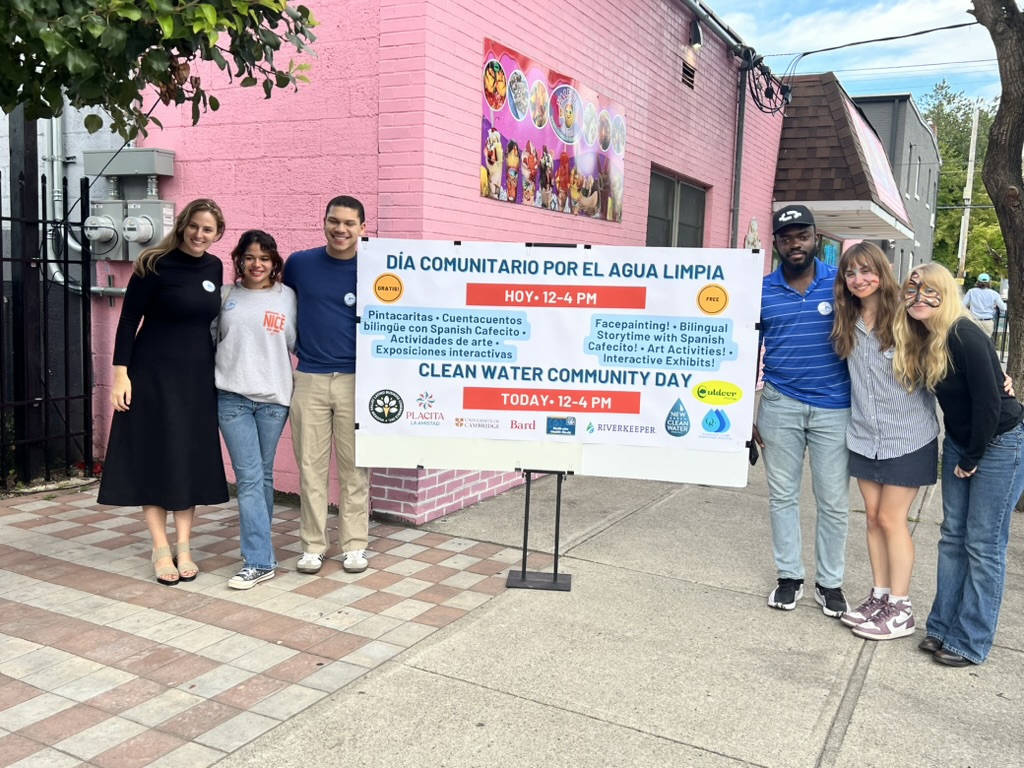
On Saturday, September 19, Placita La Amistad on South William Street hosted Clean Water Community Day. Over the afternoon, 75 Newburgh residents went through a set of bilingual poster boards with researchers from Bard College and wrote down how ten years of PFAS have changed the way they see their water, and what they want to happen next.
We helped organize the day. Here is who was behind it, what the community made, and where their answers went. If you are new to the water story, start with Newburgh’s Water: Flowing Through Time, our free bilingual tour.
Lily Rubino’s research
Lily Rubino teaches citizen science at Bard College and is finishing a PhD at the University of Cambridge. For the past few years she has interviewed and surveyed Newburgh residents about what the contamination of Washington Lake did to them: worry about their health, the switch to bottled water, and lost trust in the tap, the Water Department and government. She also asked what justice, accountability and healing would look like.
Clean Water Community Day was her way of bringing those results back to the people who gave them. Residents could read the findings, say whether they matched their own experience, and add what was missing. The boards were in Spanish first, with English next to it. Eight Bard students worked the room as interpreters, researchers and artists: Brigit Brennan, who had been organizing with Lily since spring; Natalie Novoseltseva, on research; Damiel Batista and Abi Navarro García from Bard’s Latin American Student Organization, who walked Spanish-speaking families through the boards; and Juliette Zicot, a Bard graduate student interning with Riverkeeper.
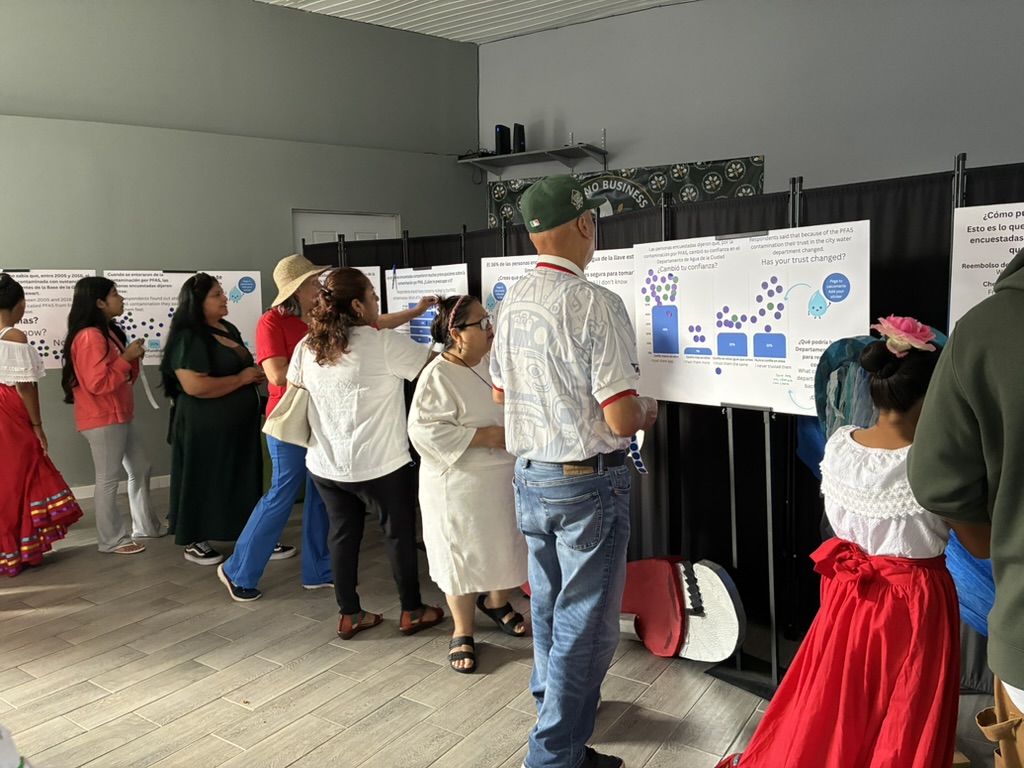
Residents read the findings on the bilingual boards and add their own answers. Photo: Outdoor Promise.
“It’s not just technically cleaning up the stuff,” Lily told Times Hudson Valley that day. What residents wrote on the boards went back into her analysis.
Stael’s summer with Outdoor Promise
Stael Toussaint, a Bard senior, spent the summer working with us on the history of Newburgh’s water. His fellowship came from the Open Space Institute’s Barnabas McHenry Hudson River Valley Award. He helped digitize archival material and turned our research on the city’s mills, reservoirs and creeks into social posts and poster boards for the day at Placita. His project was part of the display, so people could see the long history behind the water they were being asked about.
OSI comes up again below. The Malcolm Gordon Charitable Fund, which OSI administers, supports our Adventure Bus program.
The art
Two Bard artists worked with residents during the day. Sophia Volchanina drew portraits and asked each person how the community can heal from PFAS. Dorothy Lipsius collected residents’ drawings of what clean water means to them and later built an installation out of those drawings and discarded plastic water bottles. The bottles are the point. Newburgh’s water has come from the Catskill Aqueduct since 2016 and meets state and federal standards, and many families still buy bottled water because they stopped trusting the tap.
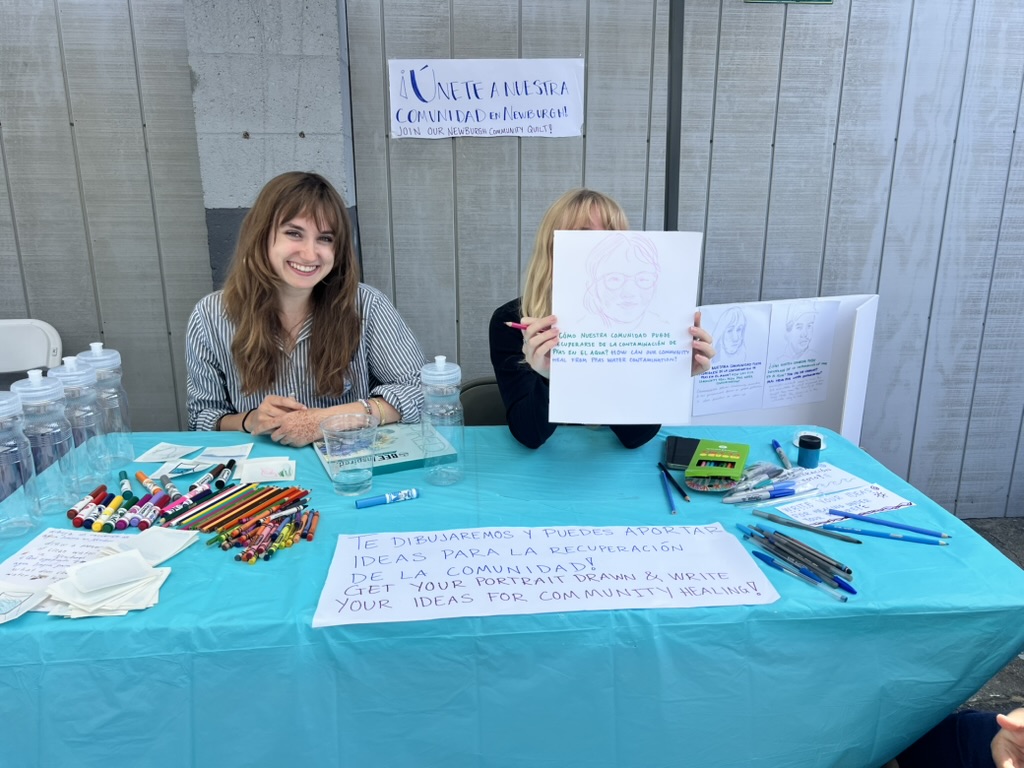
The portrait table: get your portrait drawn, write your idea for how the community can heal. Photo: Outdoor Promise.
The art went on to the August 29 WaterWorks procession, organized by the Newburgh Clean Water Project, and then to the library on October 21.
Why Placita
The workshop was first set for the Newburgh Free Library. We suggested moving it to Placita La Amistad so that Spanish-speaking residents, who are more than half the city, would see the research somewhere they already go. Francisco Martinez and Desiree Osorio of Placita La Amistad and the Hudson Valley Latino Business Commerce hosted the day and helped organize it. We promoted it in Spanish on the local Latino radio station. Lily’s team sent the flyer through school and library newsletters, churches, daycare networks and neighborhood WhatsApp groups.
There was something for everyone. Mariel Sol of Spanish Cafecito led two bilingual storytimes. There was face painting and art for kids. The City of Newburgh Water Department parked its refill trailer outside and filled free bottles all afternoon. The groups that have followed the Stewart Air National Guard Base cleanup for ten years had tables: the Newburgh Clean Water Project (Jennifer Rawlison), the Quassaick Creek Watershed Alliance (Marianne Marichal), Riverkeeper (Jem Pickard) and the University at Albany (Elisa Grimm), whose team is analyzing Newburgh’s results in the national PFAS health study.
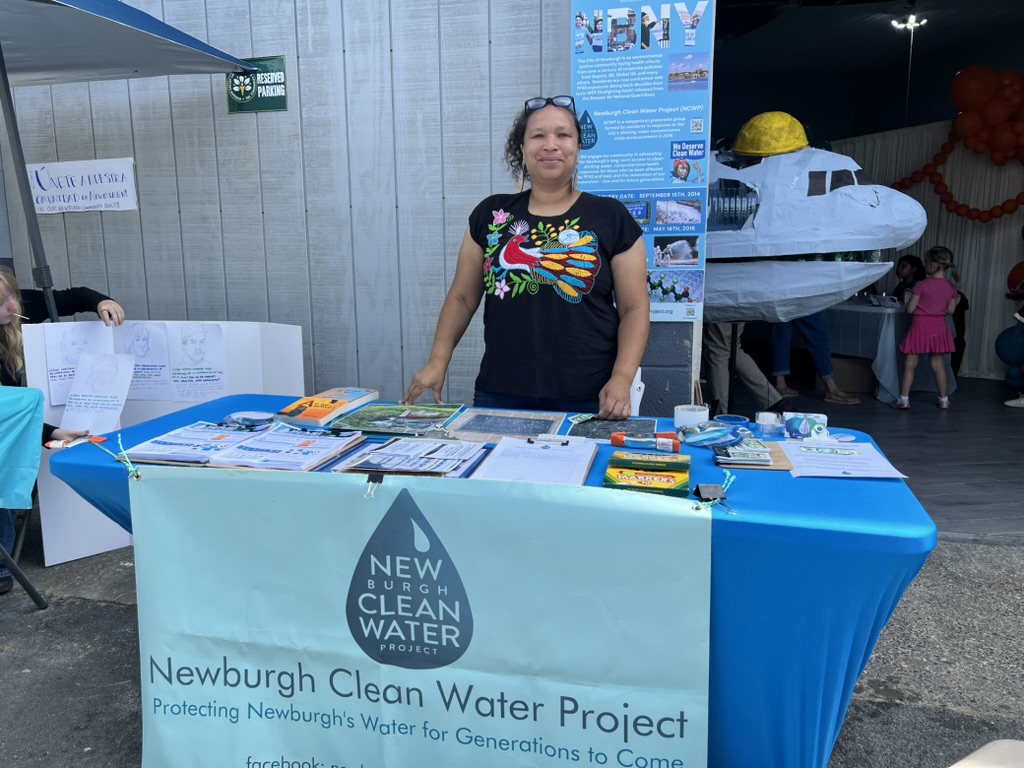
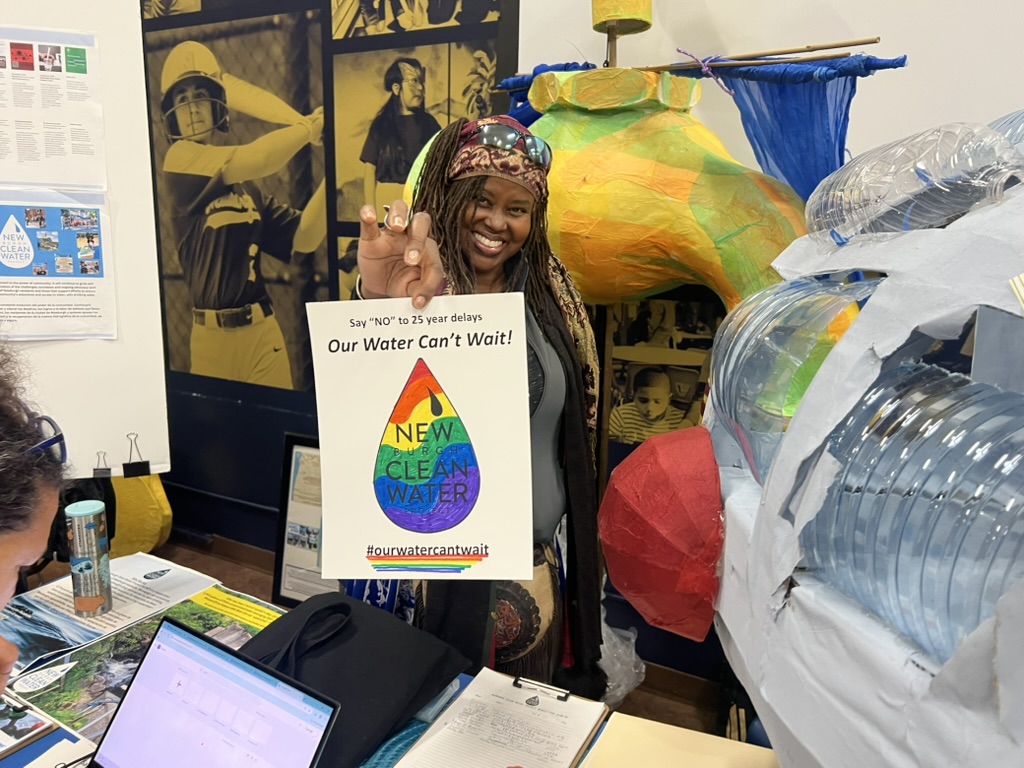
The Newburgh Clean Water Project table, with one of the day’s bottle sculptures behind it. Photo: Outdoor Promise.
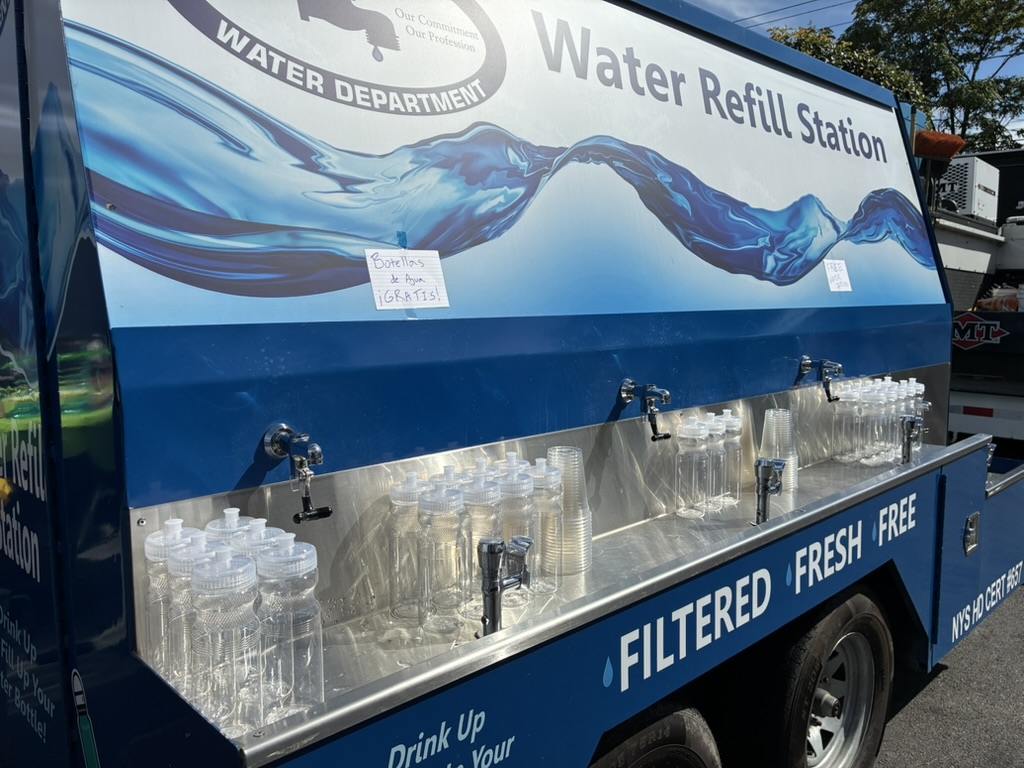
The Water Department’s refill station on South William Street. Photo: Outdoor Promise.
Marianne Marichal put it this way to Times Hudson Valley: “They need to hear from those people who are adversely affected by this and that’s all of us who live here.” She meant the October 21 meeting at the library.
By our count about 145 people came through over the afternoon. Seventy-five adults filled in the poster boards. Kids, and adults who did not take part in the boards, are not in that number.
October 21
On October 21, the Restoration Advisory Board held its annual poster session at the Newburgh Free Library, the one evening a year when residents can talk directly with Air National Guard staff and their contractors. Lily presented her research there with the September 19 feedback included. Dorothy’s installation and the community’s drawings were on display. Some of the people in the room had been invited at Placita a month earlier.
The installation built from residents’ drawings and plastic bottles after Clean Water Community Day, at the library on October 21. Photo: Outdoor Promise.
We wrote about the October 21 session and the cleanup delay behind it separately.
The bus
Most of our water work this year happened outside, with the same partners. In April, 5th and 6th graders from Canterbury Brook Academy counted juvenile eels in Quassaick Creek. In June, Newburgh youth fished and walked the shore of Washington Lake. In July, families hiked to Crystal Lake and the Quassaick Creek Watershed Alliance taught the water’s history and geology. On September 13, Quassaick Creek Fest with the Watershed Alliance, the Newburgh Clean Water Project and Riverkeeper included a guided walk along the creek. Across six outings, 183 people took part. For many of them the Adventure Bus was how they got there.
The 2026 Adventure Bus pilot is supported by the Malcolm Gordon Charitable Fund of the Open Space Institute, and fall 2026 community adventures by the Palisades Parks Conservancy. Schools, churches and community groups can ride the water tour route together, with a guide, in English or Spanish.
What you can do
- Come to the next Restoration Advisory Board meeting. It meets four times a year, in English and Spanish. The Newburgh Clean Water Project, Hudson River Sloop Clearwater and Riverkeeper post the dates.
- Join one of the groups. The Newburgh Clean Water Project has followed the Stewart cleanup since 2016. The Quassaick Creek Watershed Alliance meets monthly. Riverkeeper patrols the Hudson and its tributaries.
- Take the tour. Newburgh’s Water: Flowing Through Time is free, self-guided and bilingual, from the Hudson waterfront to Crystal Lake.
- Watch for the film. Clean Water Community Day will be in the documentary Watershed Down.
Thanks to Lily and the Bard students, to Francisco and Desiree, to Mariel Sol, to everyone at the tables, and to the 75 residents who took the time.
Sources
- Times Hudson Valley, Clean Water Community Day highlights impact of PFAS contamination (Sept 22, 2026)
- Bard College, Citizen Science faculty
- Open Space Institute, Barnabas McHenry Hudson River Valley Award 2026 (as reported by Bard College / Lily Rubino)
- Outdoor Promise, Clean Water Community Day: From Harm to Healing in Newburgh (Sept 2026) and Ten Years After Washington Lake (Oct 2026)
This project is funded in part by the New York State Environmental Protection Fund, as administered by the New York State Department of Environmental Conservation, Office of Environmental Justice. The opinions, results, findings, and/or interpretations of data contained herein are the responsibility of Outdoor Promise and do not necessarily represent the opinions, interpretations, or policy of the State of New York.
This post is also available in:
